

Joins Demystified
INNER, LEFT, RIGHT joins explained visually, practically, and memorably.

Welcome to Zero2DataEngineer — Day 3 of SQL Week
You’re not just learning SQL joins.
You’re learning how not to blow up a pipeline.
Joins are where most people:
Break the row count
Misunderstand NULLs
Miss entire records without realizing
So today we’ll break it all down — with visuals, examples, and DE-level thinking.
JOINs Aren’t Just Syntax — They’re Business Decisions
When you choose a join, you’re choosing:
What gets included
What gets excluded
What truth gets told downstream
That’s a lot of power for a three-word clause.
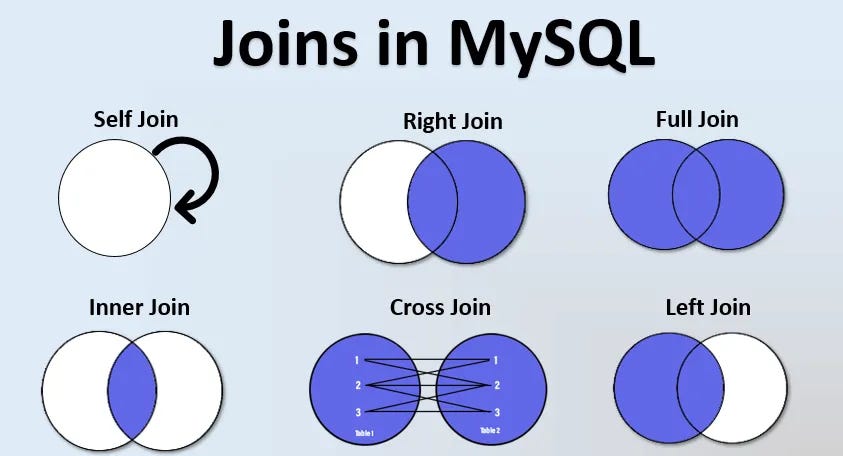
Real Scenario: INNER vs LEFT JOIN in Action
“What’s the difference between a LEFT JOIN and an INNER JOIN?”
Here’s how I would approach this question:
A: "Instead of giving a definition, I’d walk through a real scenario I handled."
When I was working on a churn analysis project for an e-commerce platform, I had two tables: customers and orders.
To find all users, including those who hadn’t purchased, I needed a LEFT JOIN — so we could retarget them in campaigns.
SELECT c.customer_id, o.order_id
FROM customers c
LEFT JOIN orders o ON c.customer_id = o.customer_id;
If I had used an INNER JOIN, I’d have dropped all the inactive users — which would have shrunk the re-engagement audience by 20%.
LEFT JOIN is like inviting everyone to a party — even if they don’t show up.
INNER JOIN is a guest list — no RSVP, no entry.
Foot Notes:
Use LEFT JOIN when:
You care about everyone in your base table, even if some don’t have matches.
Use INNER JOIN when:
You want only the rows where both sides align — clean and tight for metrics.
