

Newsletter 8: Optimizing Data Pipelines for Cost Efficiency
Welcome to Data Engineering Insights!

Hi everyone, and welcome back to Data Engineering Insights! As our data pipelines grow, so do our costs. 💰 In this edition, we’ll explore practical strategies to optimize data pipeline costs without sacrificing performance. If you’ve ever been surprised by your cloud bill or struggled with balancing cost and efficiency, this one's for you!
Why Cost Optimization Matters
📌 Common Cost Pitfalls in Data Pipelines
Over-Provisioned Compute Resources → Paying for idle servers.
Unoptimized Storage → Storing redundant or infrequently accessed data in expensive tiers.
Inefficient Workflows → Running unnecessary or overlapping ETL jobs.
Optimizing cost means reducing waste, right-sizing resources, and choosing the right tools for the job.
Key Strategies for Cost Optimization
1️⃣ Use Spot Instances and Auto-Scaling
💡 What? Spot instances offer compute resources at a lower cost; auto-scaling adjusts capacity dynamically.
📌 Example: A data team reduced monthly compute costs by 40% by running non-urgent batch jobs on AWS spot instances.
2️⃣ Optimize Storage with Tiering and Compression
💡 What? Store frequently accessed data in hot storage and old data in cold storage (e.g., S3 Glacier).
📌 Example: A financial firm moved old transaction logs to compressed Parquet format and cut storage costs by 70%.
3️⃣ Monitor and Eliminate Redundant Jobs
💡 What? Use workflow monitoring tools to remove duplicate or inefficient ETL jobs.
📌 Example: A marketing team saved 15% on compute by consolidating two overlapping customer segmentation pipelines.
4️⃣ Use Serverless for Event-Driven Workloads
💡 What? Serverless services like AWS Lambda and Google Cloud Functions charge only when executed.
📌 Example: A startup switched from EC2 to AWS Lambda for processing real-time analytics and saved thousands on idle server costs.
Real-Life Example: Optimizing a Streaming Analytics Pipeline
🎬 Scenario: A video streaming platform processes real-time user engagement data.
❌ Issues Before Optimization:
Running 24/7 even during low traffic periods.
Storing uncompressed logs, inflating cloud storage costs.
✅ Optimized Solution:
Enabled auto-scaling to reduce compute costs in off-peak hours.
Used Parquet format to compress log files.
Moved archived logs to cold storage.
📊 Results:
50% reduction in monthly cloud costs.
Retained the same real-time analytics capabilities.
Resources to Explore
📚 Books:
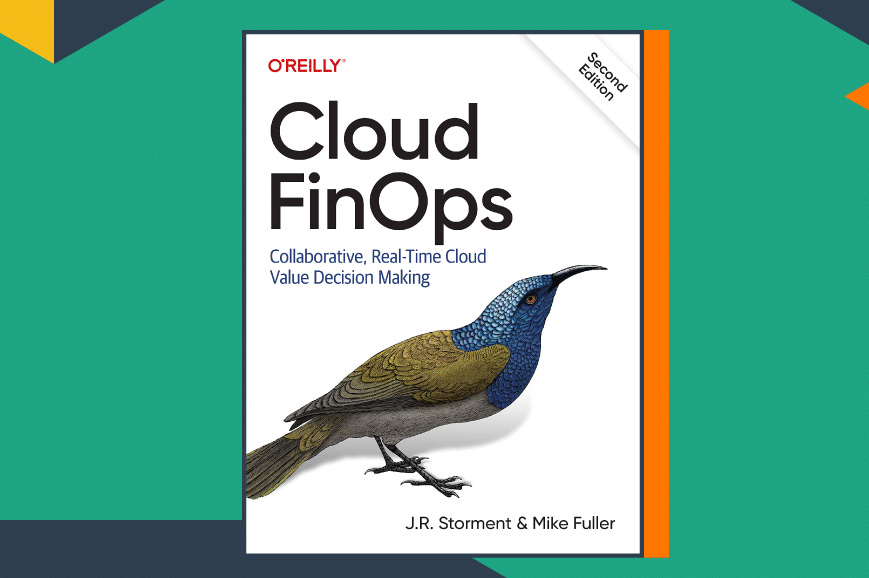
Cloud FinOps by J.R. Storment & Mike Fuller – Best practices for cost management in the cloud.
🎓 Courses:
Optimizing Data Pipelines on AWS (Coursera).
Cost Optimization Strategies for Cloud (Udemy).
Final Thoughts
Optimizing data pipeline costs isn't just about cutting expenses—it’s about spending efficiently. By auto-scaling, compressing storage, and eliminating redundancies, you can save money while maintaining high performance.
💡 How do you optimize costs in your data pipelines? Reply and share your insights!
See you next time,
Avantika Penumarty